
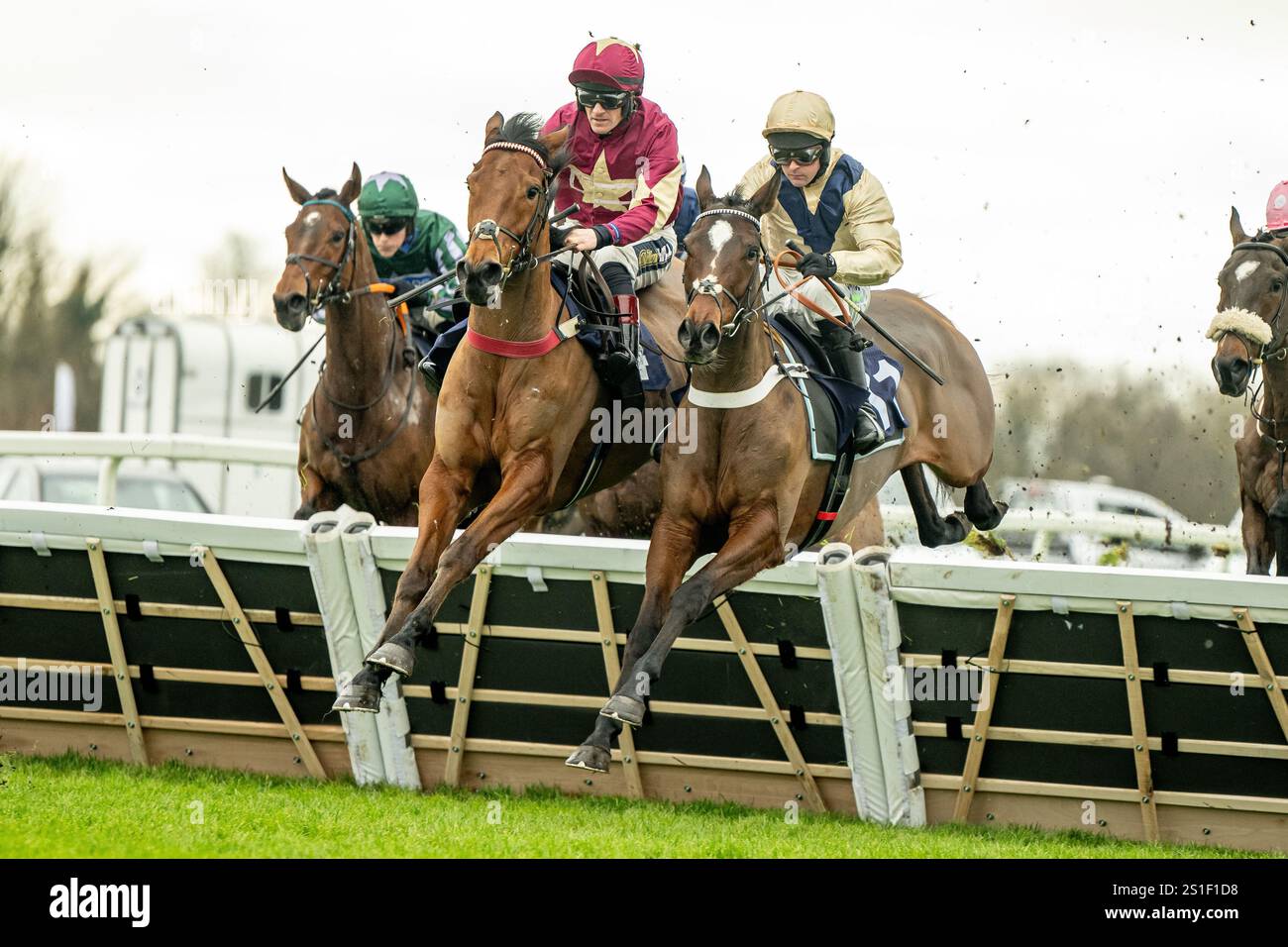
Understanding UK Horse Racing: Why It Isn’t Always Happening
Horse racing is one of the oldest and most beloved sports in the United Kingdom, drawing in millions of fans each year who indulge in the thrill of the races, the charm of the tracks, and the excitement of betting. However, there are times when horse racing in the UK is not on, leading to a wave of questions and concerns among enthusiasts. In this article, we will delve into the reasons behind cancellations, the impact on the industry, and how it shapes the future of horse racing. Additionally, for those interested in nature or pursuing sustainability, we encourage you to check out UK Horse Racing Not on GamStop bee-collective.co.uk, a site dedicated to environmental efforts.
The Popularity of Horse Racing in the UK
Horse racing boasts a rich heritage in the UK, with events such as the Grand National, Royal Ascot, and Cheltenham Festival drawing large crowds and significant media coverage. The sport contributes immensely to the economy, creating jobs, as well as generating income for local businesses. With its exciting atmosphere, breathtaking horses, and the social aspect of race day, it is no surprise that horse racing enjoys a dedicated following.
Why is Horse Racing Not On?
Weather Conditions
The most common reason for horse racing not taking place is adverse weather conditions. Heavy rain, snow, or icy tracks can make it unsafe for both the horses and jockeys. In such circumstances, race officials prioritize safety and may opt to cancel or postpone events. This decision, while disappointing for fans and participants alike, is crucial for ensuring that everyone remains unharmed.
Health Concerns
Another significant factor affecting horse racing events in the UK is health and safety concerns. Outbreaks of infectious diseases among horses, such as equine influenza or strangles, can prompt immediate cancellations or restrictions. Regulatory bodies take these threats seriously to prevent the spread of illness among horses, leading to a temporary halt in racing activities.
Regulatory Decisions
The British Horseracing Authority (BHA) and other governing bodies play a pivotal role in determining the fate of race meetings. In some instances, regulatory decisions can lead to cancellations if certain standards are not met, such as track conditions or veterinary inspections. Transparency and compliance with safety protocols are essential to upholding the sport’s integrity.
The Economic Effect of Cancellations
When horse racing is not on, the economic implications can be significant. Bookmakers, local businesses, and event organizers face financial strain, as ticket sales and betting revenues sink. For smaller tracks, cancellations can be detrimental, potentially jeopardizing their future operations. The ripple effect permeates through the industry, from trainers and owners to grooms and stable staff, many of whom depend on race days for their livelihoods.
The Consequences for Horses
Beyond the economic ramifications, the well-being of the horses is a paramount concern. Extended cancellations can disrupt training regimens, affecting fitness levels and overall performance. Trainers must find alternative methods to keep horses engaged, which can be challenging without the thrill of racing. This has led to a creative approach among trainers, who often utilize training tracks and practice meets to maintain their horses’ physical and mental well-being.
The Fans’ Perspective
Fans of horse racing are naturally disappointed when events are called off. For many, racing represents a festive opportunity to gather with friends, engage in betting, and celebrate the sport’s rich traditions. However, loyal fans have shown resilience. Many turn to alternative forms of entertainment, such as online betting platforms, simulcast events, or even virtual horse racing. While these alternatives cannot fully replace the excitement of live races, they provide a temporary outlet for enthusiasts.
The Rise of Virtual Racing
With the explosion of technology and online access, virtual horse racing has emerged as a popular alternative during times when traditional racing is not on. These simulations allow fans to engage with the sport, albeit in a digital format. Online platforms often host virtual racing events, allowing bettors to place wagers without being rest

ricted by physical race schedules. While it may not replicate the adrenaline rush of watching live horses thunder down the track, it offers fans a way to stay connected to the sport.
The Future of Horse Racing in the UK
Despite the challenges faced by the industry, there remains optimism about the future of horse racing in the UK. Innovations in technology, a focus on sustainability, and broader marketing strategies may pave the way for rejuvenation and growth. Moreover, as the community rallies together to advocate for the sport’s importance, there is potential for revitalizing interest in racing. The fans, trainers, and owners are passionate about maintaining the legacy of horse racing, and their collaboration will be critical for overcoming obstacles.
Conclusion
While horse racing in the UK is a treasured tradition, it is essential to understand that it cannot be immune to unforeseen circumstances. Weather conditions, health concerns, and regulatory decisions can lead to events being called off, impacting not just the industry economically but also affecting the stakeholders involved. As fans, owners, and trainers navigate these challenges, it’s crucial to focus on maintaining the integrity and safety of the sport. The enduring love for horse racing, coupled with innovative solutions and shared passion, will undoubtedly shape a vibrant future for this timeless pursuit.
